Why is Aluminum so Widely Used?
Today, aluminum is one of the most important metals used across many industries, including construction, automotive, aerospace, and energy. Thanks to its lightweight structure, high strength, corrosion resistance, and recyclability, it has become an indispensable material in modern industry.
With technological development, the demand for more efficient, durable, and sustainable materials continues to increase. Aluminum stands out as one of the metals that meets these requirements, offering solutions from raw material processing to final product applications. Its wide usage range makes it a strategically important material in the global economy.
The Perfect Balance of Lightness and Strength
One of the biggest advantages of aluminum is its ability to offer high strength despite its low density. Compared to steel, aluminum is significantly lighter, reducing transportation costs while improving product performance.
In particular, in the automotive and aerospace industries, reducing weight contributes directly to lower fuel consumption and improved energy efficiency. For this reason, many manufacturers prefer aluminum in order to develop lighter and more efficient products.
The Role of Aluminum in the Construction Industry
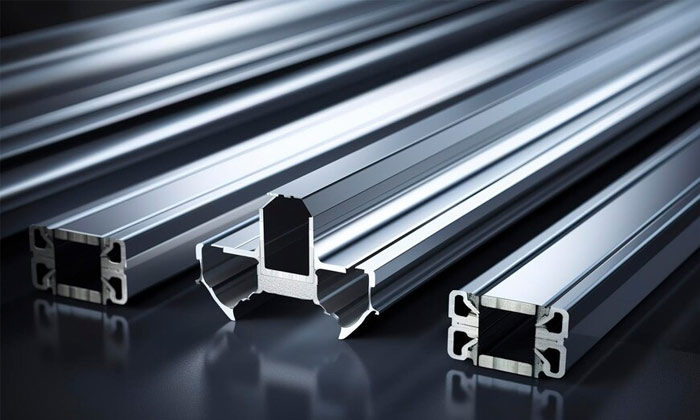
In modern architectural projects, aluminum profiles, façade systems, doors, and window applications are widely used. Its resistance to corrosion and ability to maintain structural integrity for many years make aluminum one of the most important materials in the construction sector.
In addition, its aesthetic flexibility allows architects and designers to achieve both functional and visually appealing results. With different color and surface options, it offers versatile solutions for various projects.
Importance in Automotive and Transportation
In line with the goals of fuel efficiency and carbon emission reduction, automotive manufacturers are increasingly using aluminum. From engine components to chassis systems, aluminum helps reduce overall vehicle weight and improve performance.
Railway systems, shipbuilding, and the aerospace industry also benefit significantly from aluminum. Its lightweight structure increases carrying capacity while reducing energy consumption.
Applications in Energy and Electrical Systems
Aluminum is widely used in power transmission lines and electrical equipment due to its high conductivity. Its lighter weight compared to copper provides a significant advantage in long-distance energy transmission projects.
It also plays an important role in renewable energy systems. Aluminum is used in solar panel support structures and various components of wind turbines.
Environmental Advantages
One of the most important features of aluminum is that it can be recycled infinitely without losing its properties. This makes it one of the core materials of sustainable production systems.
Using recycled aluminum requires significantly less energy compared to primary aluminum production, which helps reduce carbon emissions and environmental impact.
Aluminum in the Future Industry
With the rise of digitalization, energy transition, and sustainable production practices, the demand for aluminum is expected to increase even further in the coming years. Electric vehicles, renewable energy systems, and modern infrastructure projects will play a key role in this growth.
Thanks to its high performance, durability, and eco-friendly nature, aluminum will continue to be a strategic material in the industrial transformation of the future.